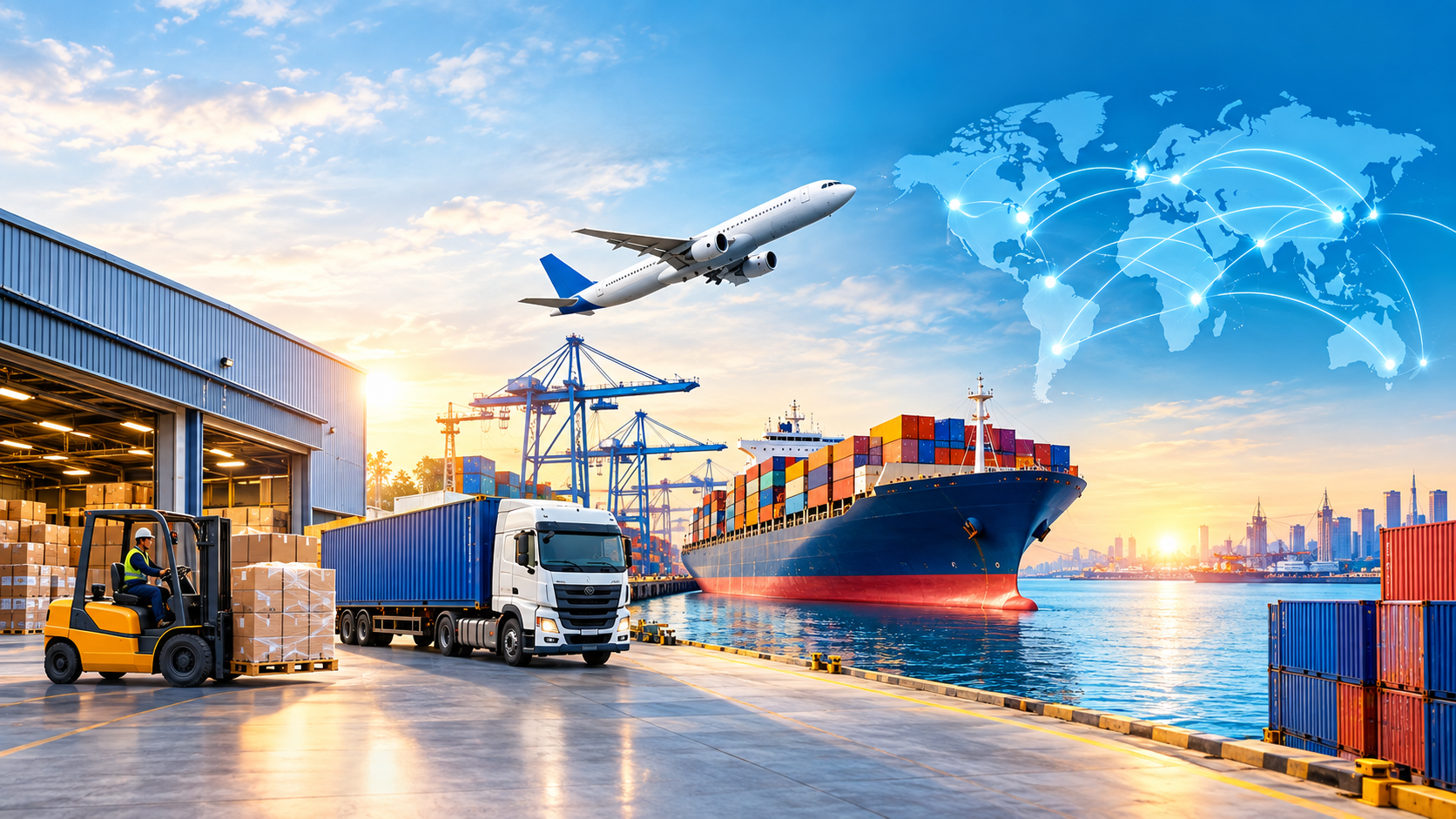
Global Freight Forwarding Explained: From Factory Floor to Foreign Shore
Moving goods from a factory to customers in another country involves much more than transportation. Global freight forwarding connects manufacturers, suppliers, distributors, and international markets through coordinated logistics. From cargo pickup and documentation to customs clearance and final delivery, freight forwarders help manage the different stages of international shipping efficiently.
From Factory Floor to Foreign Shore
Global freight forwarding involves planning and coordinating cargo movement across borders. A freight forwarder works with carriers, customs authorities, warehouses, and other logistics partners to organise each shipment according to its requirements.
The process commonly begins with cargo collection from the supplier or manufacturing facility. Depending on the shipment size, destination, urgency, and budget, businesses can choose between sea freight and air freight. Sea freight is often suitable for larger shipments, while air freight can support time-sensitive cargo.
Another important part of international freight forwarding is customs clearance. Accurate commercial invoices, packing lists, shipping documents, and other required paperwork help shipments move through customs procedures smoothly. Proper documentation also supports compliance with import and export requirements.
Freight forwarding can also include cargo consolidation, warehousing, shipment tracking, insurance coordination, and delivery arrangements. These services give businesses better visibility over their supply chain and help simplify international logistics.
For companies involved in global trade, reliable freight forwarding services can improve shipment planning and support consistent cargo movement between countries. Working with an experienced logistics provider can also make complex international shipping requirements easier to manage.
Conclusion
Global freight forwarding creates a structured connection between the factory floor and foreign markets. With coordinated transportation, customs clearance, cargo handling, and logistics support, businesses can manage international shipments more effectively. Understanding the freight forwarding process helps companies choose suitable shipping solutions and build more organised global supply chains.